[Aug 10th 2026] CHU's Transformation Hub — Tsing Hua² Science Park Unveiled, Moving Toward International Standing
2026-08-10 │ Secretariat’s Office
Taiwan's first science park initiated and operated by a university—"Tsing Hua² Science Park"—was officially unveiled today (the 10th) at the CHU campus, marking a new stage in the merger and cooperation between National Tsing Hua University and CHU. The unveiling ceremony was co-hosted by NTHU President Wei-yuan Kao and CHU Board Chair Hung Chiu-hsia Yang. CHU President Dr. Victor Liu, Yiding Venture Capital Chairman Te-cheng Chiu, Stan Shih Education Foundation Executive Director Neng-yu, He along with administrators and industry-academia partners from both universities, were present to witness this important milestone in Taiwan's higher education and technological innovation development.
NTHU President Wei-yuan Kao stated that while Taiwan already has several science parks, Tsing Hua² Science Park is positioned differently from existing ones. Citing Stanford University's founding of a science park that gave rise to the Silicon Valley innovation ecosystem, President Kao pointed out that what truly matters is not the park itself, but the innovation culture and entrepreneurial spirit it fosters. Tsing Hua² Science Park combines space, capital, talent, and industry resources, aiming not merely to provide a space for R&D, but to become a starting point for innovation and entrepreneurship, cultivating the next generation of internationally competitive entrepreneurial talent and technology enterprises.
CHU President Dr. Victor Liu noted that the CHU Board strongly supports the vision of Tsing Hua² Science Park encompassing a complete value chain—from basic research, technology development, and startup incubation to industry collaboration and capital markets. The board decided that after CHU ceases operations, its campus land and assets would be donated to NTHU, jointly realizing this pioneering university-led science park and setting a new model for the transformation of private universities and public-private collaboration in Taiwan. He also praised the joint commitment of partners including NTHU, Yiding Venture Capital, and the Stan Shih Education Foundation, expressing hope that integrating industry-academia and capital resources would drive the park's long-term development and pioneer a new model of collaboration between higher education and innovation/entrepreneurship in Taiwan.
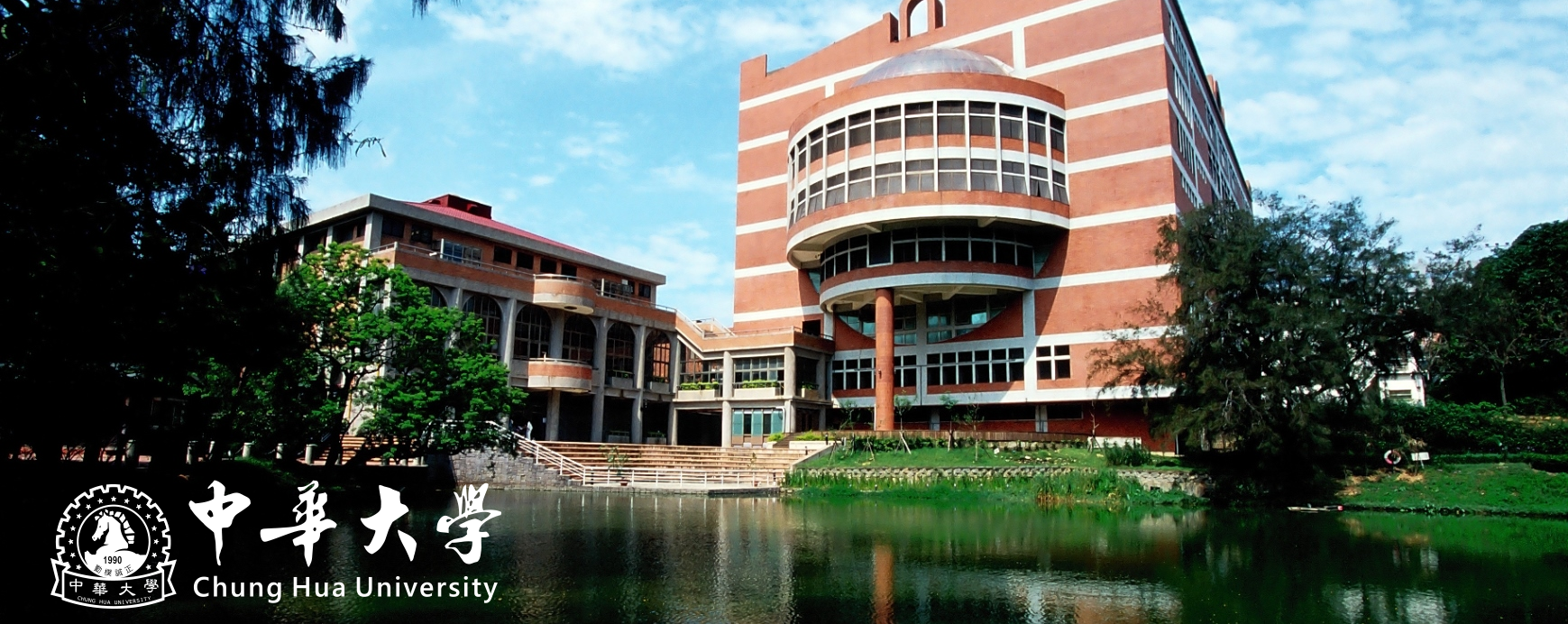
Located on the CHU campus, Tsing Hua² Science Park spans over 19 hectares and is adjacent to the Hsinchu Science Park and the core cluster of the global semiconductor industry, giving it superior locational conditions and supply-chain advantages. Going forward, the park will focus on deep-tech fields including semiconductors, quantum technology, new energy, biomedical technology, and artificial intelligence, with the "Tsing Hua Future Fund" and "Tsing Hua Accelerator" serving as its two core engines to build an innovation ecosystem spanning talent, technology, capital, market, and industry. The Tsing Hua Future Fund, with a scale of NT$1 billion, will be invested in deep-tech startup investment and incubation; the Tsing Hua Accelerator will provide startup mentoring and international networking resources to help startup teams accelerate technology commercialization and expand into global markets. Going forward, the park will continue deepening collaboration among industry, government, academia, and research institutions, attracting domestic and international companies, startup teams, and research institutions to set up operations, and building an internationally competitive innovation base.
CHU has long emphasized practical teaching and industry-academia collaboration, dedicated to cultivating professional talent that meets industry needs. With the official launch of Tsing Hua² Science Park, students will have more opportunities to participate in cutting-edge technology research, industry-academia collaboration projects, and hands-on innovation and entrepreneurship during their studies, allowing them to connect with industry development trends and international innovation resources while still in school. Through the resource integration brought about by the merger of the two universities and the boost provided by the science park platform, CHU will continue to deepen its cross-disciplinary learning environment, cultivating a new generation of talent with professional competence, innovative thinking, and international vision—injecting a continuous stream of new momentum into Taiwan's technological development.